

A severe toothache is one of the clearest signs that something is wrong in your mouth. Whether it is a throbbing pain that keeps you up at night, sharp sensitivity to cold and heat, or a persistent ache that comes and goes, your body is asking for help.
At Channel Islands Family Dental Office in Santa Paula, we understand that dental pain can strike at the worst possible time, and that waiting only makes things worse.
In this article we explain why teeth hurt, what the different types of toothache signal, what you can safely do at home while you wait, and when it is urgent to seek professional dental care in Santa Paula or anywhere in Ventura County.
Table of Contents
Why does a tooth hurt: understanding tooth anatomy

To understand severe tooth pain, it helps to know how a tooth is built. Every tooth has three main layers:
- Enamel: The outer shell. Hard and protective, but it can wear down, crack, or be damaged by decay over time.
- Dentin: The middle layer. More porous and sensitive. When exposed, you feel pain from cold, heat, or sweets.
- Dental pulp: The core of the tooth, containing nerves and blood vessels. When the pulp becomes inflamed or infected, the pain can be intense and relentless.
Most severe toothaches originate from the pulp. Once bacteria, a fracture, or pressure reaches the nerve inside the tooth, it sends a pain signal that is very hard to ignore.
What causes a severe toothache
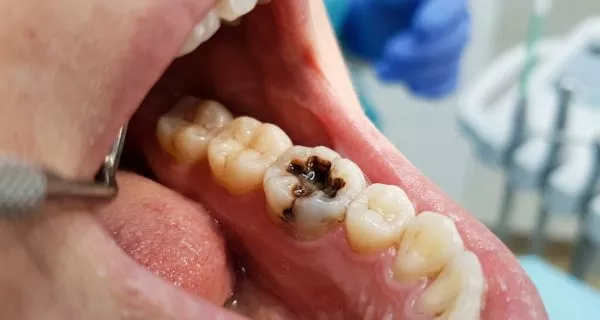
Several conditions can lead to strong tooth pain. Knowing the likely cause helps you understand how urgently you need care:
- Deep tooth decay (cavity): When a cavity goes untreated, it penetrates through enamel, into the dentin, and eventually reaches the pulp where the nerves are.
- Dental infection or abscess: A pocket of bacteria forms near the root of the tooth, causing intense pain, swelling, and sometimes fever.
- Cracked or fractured tooth: A blow to the mouth, biting down on something hard, or teeth grinding (bruxism) can crack a tooth. Pain typically appears when biting.
- Gum disease (periodontitis): Advanced gum infection can reach the roots of the tooth and cause deep, persistent pain.
- Impacted wisdom tooth: A wisdom tooth without room to fully emerge presses against neighboring teeth, creating strong pain at the back of the jaw.
The different types of tooth pain
An not all toothaches feel the same. Recognizing the type of pain helps you gauge how urgent your situation is:
- Throbbing or pulsating pain: You can feel your heartbeat inside the tooth. This almost always signals an active infection requiring prompt dental care.
- Sensitivity to cold or heat: A brief, sharp reaction to temperature. Often points to exposed dentin or early-stage decay. Less urgent, but still needs attention.
- Sharp pain when biting: May indicate a cracked tooth or a damaged filling. Avoid chewing on that side and schedule an appointment soon.
- Constant, persistent pain: The nerve is irritated or inflamed. This requires professional evaluation as soon as possible.
Signs you need to call a dentist in Santa Paula today

Some symptoms cannot wait. Seek urgent dental care at Channel Islands Family Dental Office in Santa Paula if you notice any of the following:
- Pain that has lasted more than two days without getting better
- Swelling in your face, neck, or gums
- Fever alongside dental pain
- Pus, bleeding, or a persistent bad taste in your mouth
- Difficulty opening your mouth or swallowing
These can be signs of an active dental infection. Without treatment, a tooth infection can spread to surrounding tissue and become a serious medical emergency. Our Santa Paula office is open Monday through Friday to help you get relief as quickly as possible.
What does a dentist do for a severe toothache
Treatment depends on the root cause. Your Santa Paula dentist will evaluate your case with X-rays and walk you through the best option:
- X-ray and diagnosis: Identifies the exact cause and how far the damage has progressed inside the tooth.
- Root canal treatment (endodontics): If the pulp is infected, the inside of the tooth is cleaned, disinfected, and sealed. Pain is eliminated and the tooth is saved.
- Tooth extraction: When the tooth cannot be restored, it is removed safely and comfortably.
- Antibiotics: Prescribed to control an active infection or abscess before or after the main procedure.
- Filling or dental crown: Restores the tooth structure depending on the extent of the damage, so it functions normally again.
What you can do at home while you wait for your appointment

These home remedies can ease the pain temporarily. They are a bridge to your appointment, not a replacement for professional care:
- Warm salt water rinse: Reduces inflammation and cleans the affected area. Repeat every few hours for relief.
- Ibuprofen or acetaminophen: Follow the package instructions. These are the most effective over-the-counter options for managing dental pain.
- Clove oil: Contains eugenol, a natural analgesic. Apply a small amount to the affected tooth using a cotton swab.
- Cold compress on the cheek: Never apply ice directly to the gum. Use a cloth barrier and alternate 15 minutes on, 15 minutes off.
- Avoid pain triggers: Stay away from very cold, hot, sweet, or hard foods and drinks until your appointment.
Important: Do not place aspirin directly on your gum. It can irritate the soft tissue and increase discomfort.